How Repair Cafés Help Cut Appliance Waste
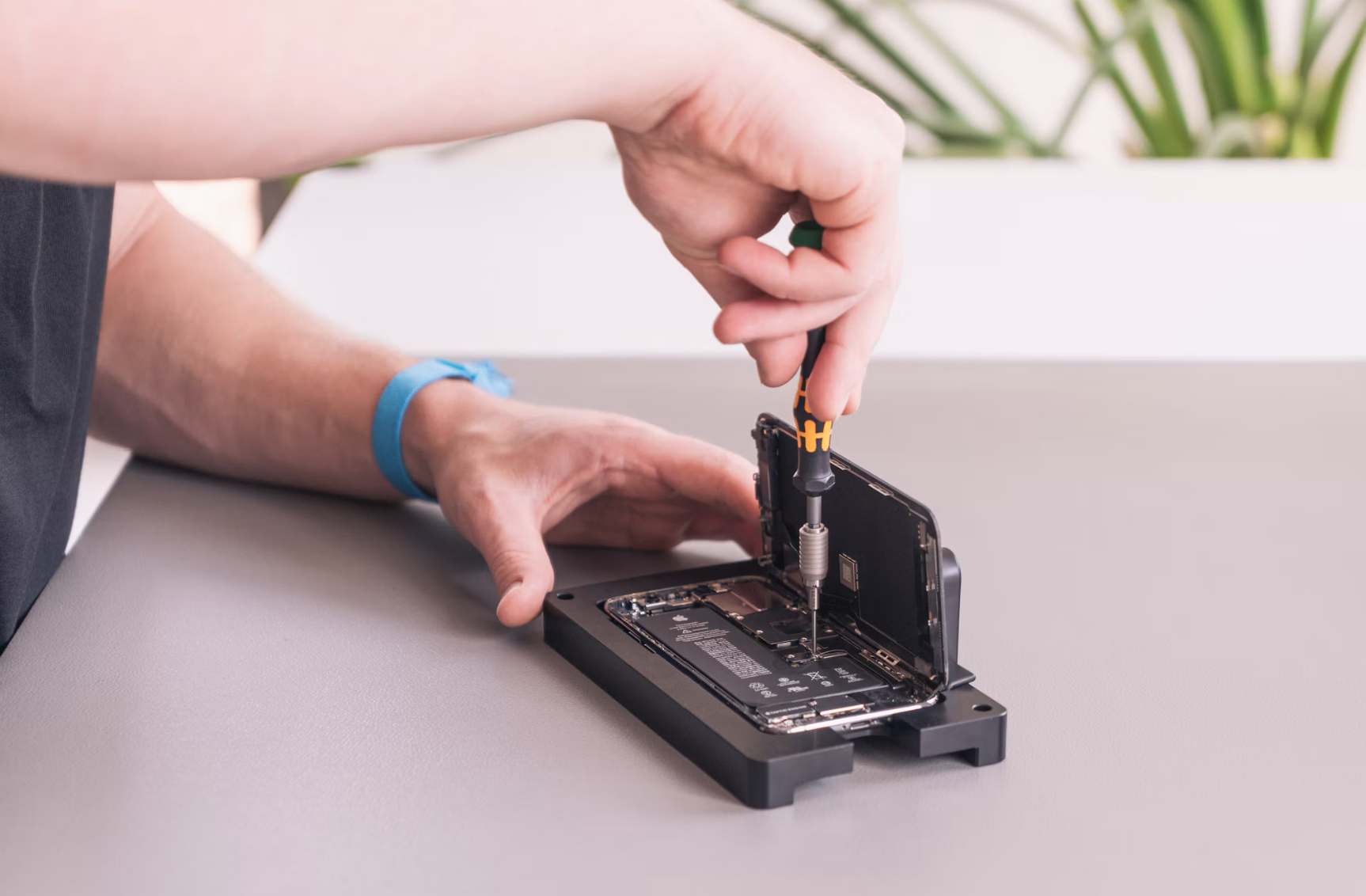 Modern households produce considerable waste when broken appliances are discarded instead of repaired. Repair cafés offer a practical solution, supporting a culture of fixing rather than replacing everyday items. These volunteer-run events help extend product life, conserve resources, and keep usable materials out of landfill.
Throwing away household appliances as soon as they fail contributes to the growing problem of landfill waste. By learning to repair devices and extending their lifespan, you can reduce environmental impact and make better use of valuable materials. Everything from a remote control to an electric fireplace can be fixed and across the UK, community-led repair cafés offer people a way to address this issue, making it easier to fix small electricals and gain confidence in repair skills.
Understanding how repair cafés operate in communities
Repair cafés are typically set up in community spaces and bring together volunteers who possess practical repair knowledge. At these events, visitors are invited to bring broken items for assessment, such as small appliances or household tools that might otherwise be discarded.
Sessions are structured so that items are examined safely, a diagnosis is made, and repairs are attempted with guidance from experienced fixers. This process encourages visitors to take part in the repair, enabling them to learn about how everyday items function.
Preventing unnecessary waste through practical repair
Repair cafés help reduce waste by keeping items in use for longer, thereby decreasing the number of appliances sent to landfill. Many items that are thrown out require only simple fixes, such as tightening a loose wire, replacing a faulty switch, or repairing a damaged cord.
These events are especially useful for ensuring appliances with minor faults are not unnecessarily considered irreparable. By promoting basic maintenance and a mindset of reuse, the cafés encourage habits that lower the demand for new products and help conserve resources.
Commonly repaired devices and necessary safety practices
Repair cafés most frequently address portable electrical appliances such as kettles, toasters, vacuum cleaners, and table lamps. These items are usually straightforward to assess, and many issues can be resolved cost-effectively, provided replacement parts are available.
Larger or complex machines can be less suitable for repair due to safety considerations or higher repair costs. Some electrical items are not feasible to fix, especially those considered safety risks. Responsible practices at cafés mean only safe repairs are undertaken, and any items that cannot be repaired are directed to suitable recycling or considered for parts reuse.
Broader community impact and preparing for your visit
Repair cafés provide lasting benefits by building collective skills and encouraging a culture where fixing things is a preferred choice. Visitors can learn new techniques, build confidence, and connect with others who value resourcefulness and waste prevention in everyday life.
If you are planning to bring an appliance to a repair café, gather any relevant accessories and manuals, and give a clear description of the problem and its history. This assists volunteers in assessing the item efficiently. For digital or smart appliances, consider data privacy and back up any important information before the repair process begins.