The Green Business Revolution: How Brands Are Embracing Sustainability
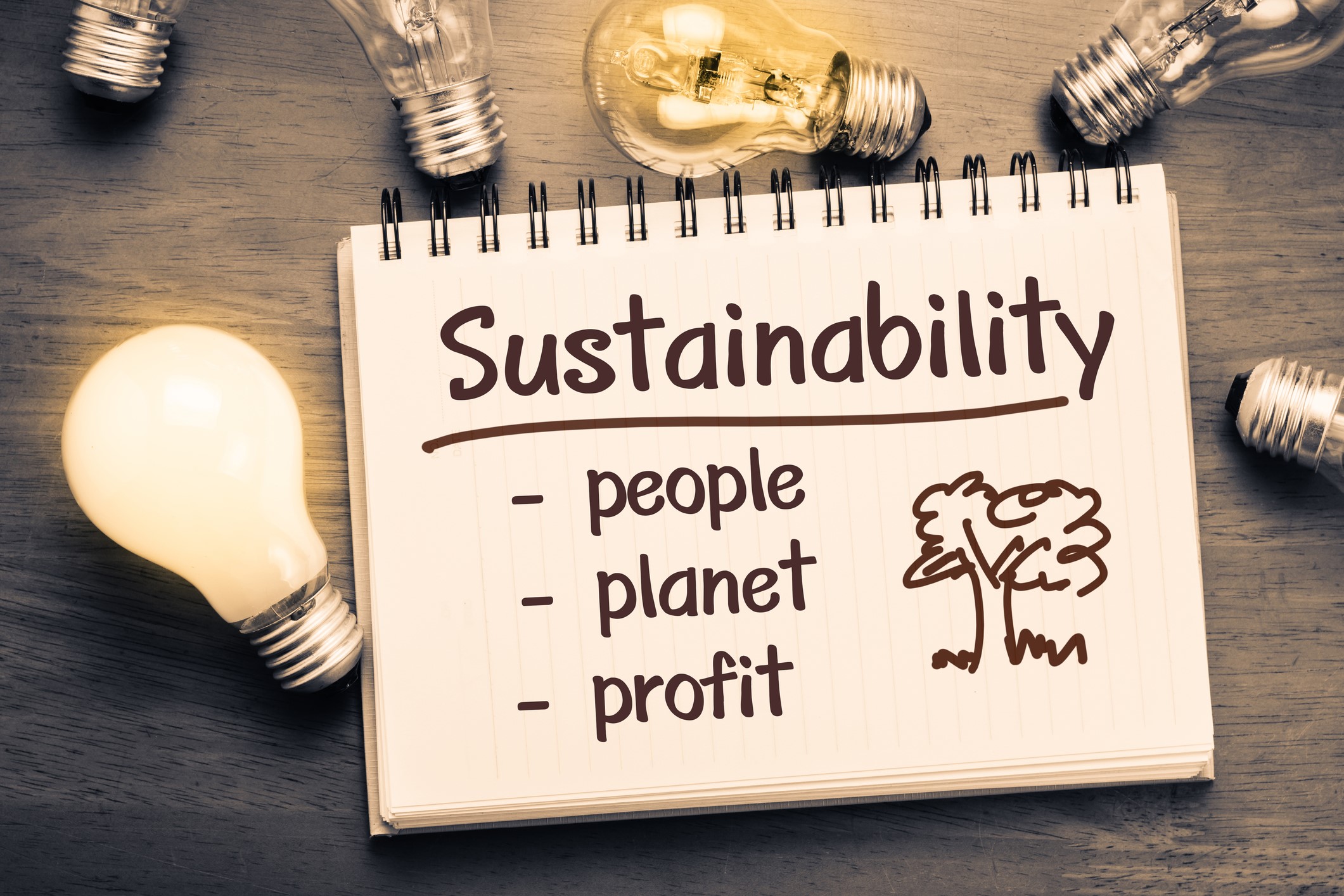
Image via Dreamstime Stock Photos
In recent years, sustainability has shifted from a niche concept to a central pillar of business strategy across industries. What once may have been dismissed as a marketing buzzword or an expensive luxury is now widely recognised as a critical element for long-term success. The green business revolution is here, and brands that fail to adapt risk being left behind.
From startups to multinational corporations, companies are embracing sustainability not just to “do good,” but to meet changing consumer expectations, reduce operational risks, and position themselves competitively in a fast-evolving marketplace. Let’s dive into how businesses are transforming their operations, products, and values to align with a greener future—and why this shift matters more than ever.
Why Sustainability Has Become a Business Imperative
Today’s consumers are more environmentally conscious than ever before. A Nielsen study found that 73% of global consumers would change their consumption habits to reduce their environmental impact. Millennials and Gen Z, in particular, are driving demand for ethical, eco-friendly products and transparency in corporate practices.
Meanwhile, governments are enacting stricter environmental regulations, investors are increasingly factoring sustainability into their decisions, and employees are seeking out employers with strong environmental and social commitments. In short, going green is no longer optional—it’s essential for growth, resilience, and reputation.
The triple bottom line—people, planet, and profit—has become the new standard. Companies that balance financial success with environmental and social responsibility are poised to thrive in the 21st century.
How Brands Are Embracing Sustainability
The green revolution isn’t confined to a single sector. Across industries, brands are rethinking every aspect of their operations to prioritise sustainability. Here’s how:
1. Eco-Friendly Product Innovation
Many companies are redesigning products with sustainability in mind, using renewable materials, minimising waste, and creating goods that are easier to recycle or reuse.
Examples:
- Patagonia has long been a pioneer, using recycled materials and encouraging customers to repair, rather than replace, their gear.
- IKEA aims to become a fully circular business by 2030, designing products that can be reused, refurbished, or recycled.
- Unilever has launched brands like “Love Beauty and Planet,” focusing on low-carbon, ethically sourced products with recyclable packaging.
By innovating greener products, brands meet consumer demand while reducing their environmental footprint.
2. Sustainable Supply Chains
Sustainability isn’t just about the end product; it’s also about how goods are sourced, manufactured, and delivered. Brands are investing in sustainable supply chains that emphasise ethical labour practices, responsible sourcing, and lower carbon emissions.
Key strategies include:
- Partnering with suppliers who adhere to environmental standards.
- Using blockchain and other technologies for transparent, traceable supply chains.
- Reducing transportation emissions through localised production or eco-friendly shipping methods.
Companies like Nike and Nestlé have made significant commitments to achieving more sustainable sourcing across their supply chains.
3. Carbon Reduction and Energy Efficiency
As concerns over climate change grow, many brands are taking bold steps to reduce their carbon footprints. Some are setting ambitious targets to become carbon-neutral or even carbon-negative.
Examples:
- Microsoft has pledged to be carbon negative by 2030—and to remove all of the carbon it has emitted since its founding by 2050.
- Google has operated as carbon neutral since 2007 and aims to run entirely on carbon-free energy by 2030.
- Airlines like JetBlue have started offering carbon offsets for flights and investing in more fuel-efficient technologies.
Energy efficiency efforts, such as upgrading to LED lighting, optimising logistics routes, and investing in renewable energy, are also widespread.
4. Green Packaging and Waste Reduction
Packaging waste, particularly plastic, has become a focal point for environmental advocacy. Brands are responding by rethinking packaging to make it lighter, more recyclable, or entirely compostable.
Notable moves:
- Coca-Cola announced a goal to collect and recycle the equivalent of every bottle or can they sell by 2030.
- Lush Cosmetics uses minimal to no packaging (“naked products”) and prioritises recycled materials.
- Amazon has introduced “Frustration-Free Packaging,” designed to reduce waste and be easier to recycle.
Minimising waste not only reduces environmental impact but can also streamline logistics and reduce costs.
5. Corporate Social Responsibility (CSR) and Transparency
Modern consumers value authenticity. Brands are increasingly embedding sustainability into their broader corporate social responsibility (CSR) strategies and being transparent about their goals and progress.
Annual sustainability reports, third-party certifications (like B Corp or Fair Trade), and clear labelling help build trust with customers. Companies like Ben & Jerry’s and Seventh Generation openly share their sustainability practices and advocate for systemic environmental and social change.
Brands that acknowledge their challenges—and outline clear plans for improvement—are often better received than those that stay silent or engage in “greenwashing” (misleading consumers about environmental practices).
The Business Benefits of Going Green
While the moral case for sustainability is compelling, the business case is equally strong. Companies that embrace sustainability often enjoy:
- Brand loyalty and differentiation: Consumers are more likely to support brands that align with their values.
- Operational savings: Energy-efficient technologies and waste reduction initiatives can significantly cut costs.
- Talent attraction and retention: Many employees, particularly younger generations, prefer working for companies with strong environmental commitments.
- Investor interest: ESG (Environmental, Social, Governance) investing is growing rapidly, with funds pouring into sustainable companies.
- Risk mitigation: Proactive environmental strategies help companies prepare for future regulations, resource scarcity, and reputational risks.
Far from being a burden, sustainability can be a powerful driver of innovation, resilience, and profitability.
Challenges Brands Face
Despite the progress, going green isn’t without its hurdles. Brands must navigate:
- Higher upfront costs: Sustainable materials and ethical production often cost more initially.
- Complex supply chains: Ensuring sustainability across global networks is challenging.
- Consumer scepticism: After years of greenwashing, consumers demand proof, not just promises.
- Evolving standards: Environmental science and best practices are rapidly advancing, making it difficult to stay ahead.
Nevertheless, the momentum toward greener business practices continues to build.
The Future of Green Business
Looking ahead, sustainability is likely to become even more deeply embedded in business strategy. Emerging trends include:
- Circular economy models that minimise waste and maximise reuse.
- Climate-positive commitments (removing more carbon than emitted).
- Eco-innovation, with technology driving solutions from biodegradable plastics to carbon capture.
- Collaboration across industries to tackle systemic challenges, like deforestation and ocean pollution.
Ultimately, businesses that view sustainability as a core value—rather than a side project—will be best positioned to thrive in a greener, more conscious world.
Conclusion
The green business revolution is more than a trend—it’s a fundamental transformation of how companies operate, innovate, and engage with the world. Brands that embrace sustainability aren’t just helping the planet; they’re building trust, future-proofing their operations, and unlocking new opportunities for growth.
As consumers, investors, and communities continue to demand more from the businesses they support, sustainability will remain a key differentiator and driver of success. In this revolution, every step counts—and the brands that lead the way today are shaping a better tomorrow for all.